
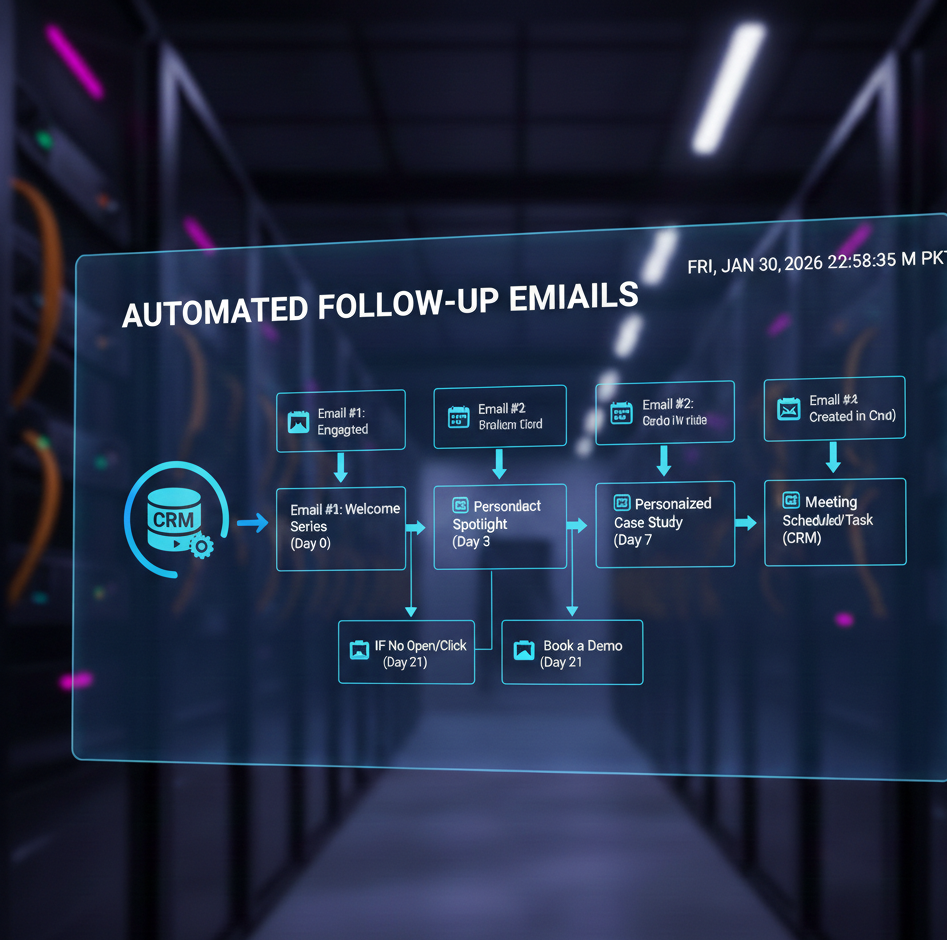
It’s proven that follow-up emails significantly improve prospect engagement, driving sales and conversions. In fact, 80% of all sales take at least five follow-ups and more.
Keeping that in mind, following up manually with each recipient is not scalable for a business. And that’s where automated follow-up emails come in.
In this blog post, let’s dive deep into automated follow-up emails and the best practices to follow.
What is Automated Follow-Up?
Automated email follow-up refers to using automated systems or tools to send additional messages or communications to individuals who have yet to respond to an initial outreach, typically in sales and marketing. The primary goal of automated follow-ups is to nurture leads, remind prospects about a previous interaction, and encourage further engagement. Here are key aspects of automated follow-up:
- Sequence of Messages: Automated follow-up often involves creating a sequence or series of messages that are sent at predetermined intervals. These messages are designed to build upon the initial contact and maintain communication over time.
- Personalization: While the follow-up messages are automated, they should ideally include elements of personalization. This may include addressing the recipient by name, referring to specific details from previous interactions, or tailoring the content based on the recipient’s behavior.
- Timing: Timing is crucial in automated follow-up sequences. Messages are typically spaced out strategically to avoid being perceived as spammy or overly persistent. The intervals may be based on the recipient’s behavior, such as opening previous emails or clicking on links.
- Drip Campaigns: Automated follow-up is commonly associated with drip campaigns, where a series of emails are “dripped” to recipients over a specified period. Drip campaigns are effective for nurturing leads through various stages of the sales or engagement funnel.
- Response Triggered Follow-Ups: Some automated systems are designed to trigger follow-up messages based on recipient actions or lack of actions. For example, if a prospect opens an email but doesn’t respond, an automated system might send a follow-up after a certain period.
- Multichannel Engagement: Automated follow-ups can extend beyond email to include other communication channels, such as social media, phone calls, or SMS. This multichannel approach allows for a more comprehensive and personalized engagement strategy.
- Lead Scoring Integration: In some cases, automated follow-ups are integrated with lead scoring systems. Based on recipient interactions, leads are assigned scores, and the automated system adjusts the follow-up strategy accordingly.
Automated follow-up is valuable in scenarios where consistent and personalized communication is essential, such as in sales pipelines, customer onboarding, or lead nurturing. It helps businesses stay engaged with prospects and customers, increasing the chances of conversion or further interaction.
Benefits of Automated Follow-Up Emails
The benefits of automated email follow-up campaigns for lead generation are multifaceted and contribute to overall marketing and sales success. Here are the key benefits highlighted in the provided reference:
1. Maintaining Regular Communication
Automated email follow-ups help maintain regular communication with your audience. This way, consistent communication builds trust and familiarity with your brand.
2. Gaining Insights for Sales Teams
Insights gained through automated email follow-up campaigns benefit the sales team. Sales teams can focus more on closing deals and building relationships when armed with valuable insights into prospect behavior and engagement.
3. Nurturing Leads and Building Relationships
Automated cold email campaigns and follow-ups nurture leads and build lasting relationships. Sending timely, relevant, and personalized messages guides leads through the sales funnel, keeping your brand top of mind. You can send a series of educational emails to a new subscriber, offering valuable insights and gradually introducing them to your product or service.
4. Increasing Customer Engagement and Retention
Follow-up email campaigns maintain engagement with existing customers. Regularly sending targeted, personalized content strengthens customer relationships, encourages repeat purchases, and improves customer lifetime value (CLV). If you send a follow-up email to customers who last purchased a while ago, offering a special discount or showcasing new products that might interest them.
5. Boosting Sales and Revenue
Automated follow-up emails directly impact the bottom line by driving conversions and increasing revenue. Carefully timed and targeted follow-up messages capitalize on moments when prospects are most likely to purchase. If you send a follow-up email to someone who abandoned their shopping cart, remind them of the items they left behind and offer an incentive to complete the transaction.
Best Practices to Follow for Automated Follow-Up Emails
Sending automated email follow-ups requires a thoughtful approach to ensure effectiveness while respecting your recipients’ preferences. Here are the best practices:
1. Timing and Frequency
Strike a balance between staying in touch and avoiding overwhelming your recipients. Consider your audience’s preferences and the nature of your messages when determining the optimal timing and frequency for follow-up emails. Set follow-up reminders to ensure timely engagement without being intrusive. This ensures you never miss an opportunity to connect with your audience.
2. Personalization and Segmentation
Tailor follow-up email sequences to each recipient’s unique needs and preferences through personalization and segmentation. Personalized and segmented emails build stronger relationships and drive better campaign results by addressing individual preferences and behaviors. Leverage data to personalize content, such as using the recipient’s name and segmenting your audience based on their interactions and characteristics.
3. Clear Call-to-Actions and Value Proposition
Ensure follow-up emails clearly communicate the value of your offer and include a compelling call-to-action. Clear CTAs guide recipients toward the desired action, whether it’s making a purchase, signing up for a webinar, or downloading a resource. Craft concise and compelling CTAs that align with the recipient’s journey. Clearly articulate the benefits of the action you’re encouraging.
4. Analyzing and Optimizing Campaigns
Regularly review the performance of your follow-up campaigns and make data-driven decisions to optimize them. Analyzing email conversations allows you to optimize follow-up campaigns for better resonance and desired outcomes. Use analytics tools to assess key metrics, such as open rates, click-through rates, and conversion rates. Adjust your approach based on insights gained from data analysis.
Combining these best practices, you can create a well-rounded automated email follow-up strategy. This approach ensures that your messages are timely, relevant, and effective in achieving your campaign objectives while maintaining a positive relationship with your audience.
Conclusion
Automated follow-up email sending pattern can dramatically improve response rates for your cold email campaigns. This way, you can significantly increase customer engagement and retention, boosting sales and revenue generation.